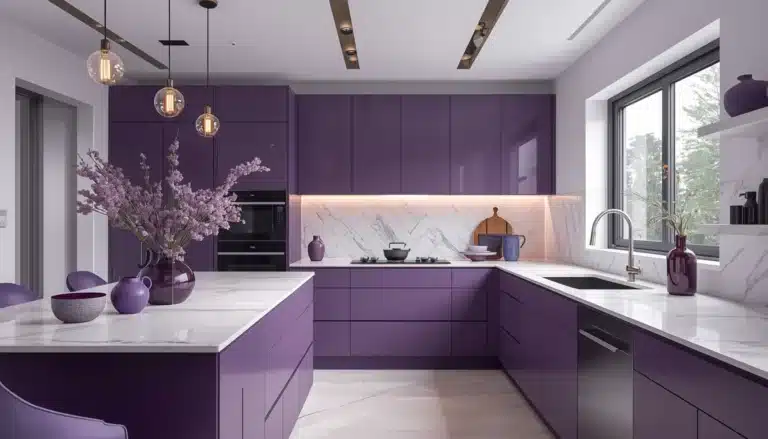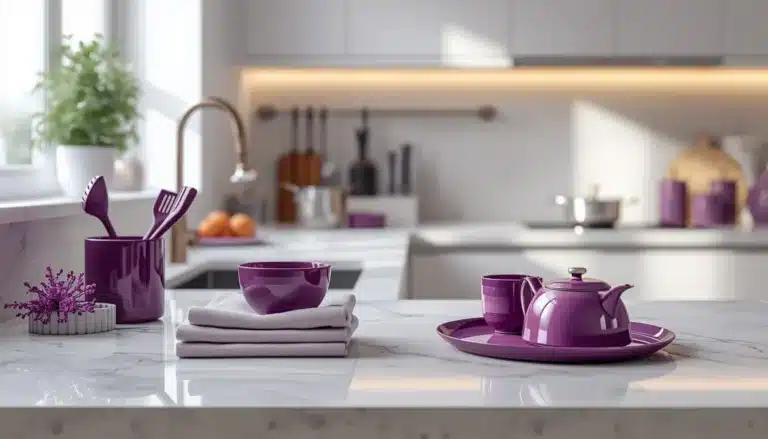
The kitchen might be the heart of the home, but anyone who loves to cook knows it can also be hard on the body. We spend hours standing—chopping vegetables at the counter, stirring pots on the stove, or washing endless cycles of dishes at the sink. While we often focus on the big design elements like cabinetry and backsplashes, the comfort of our floors is frequently overlooked.
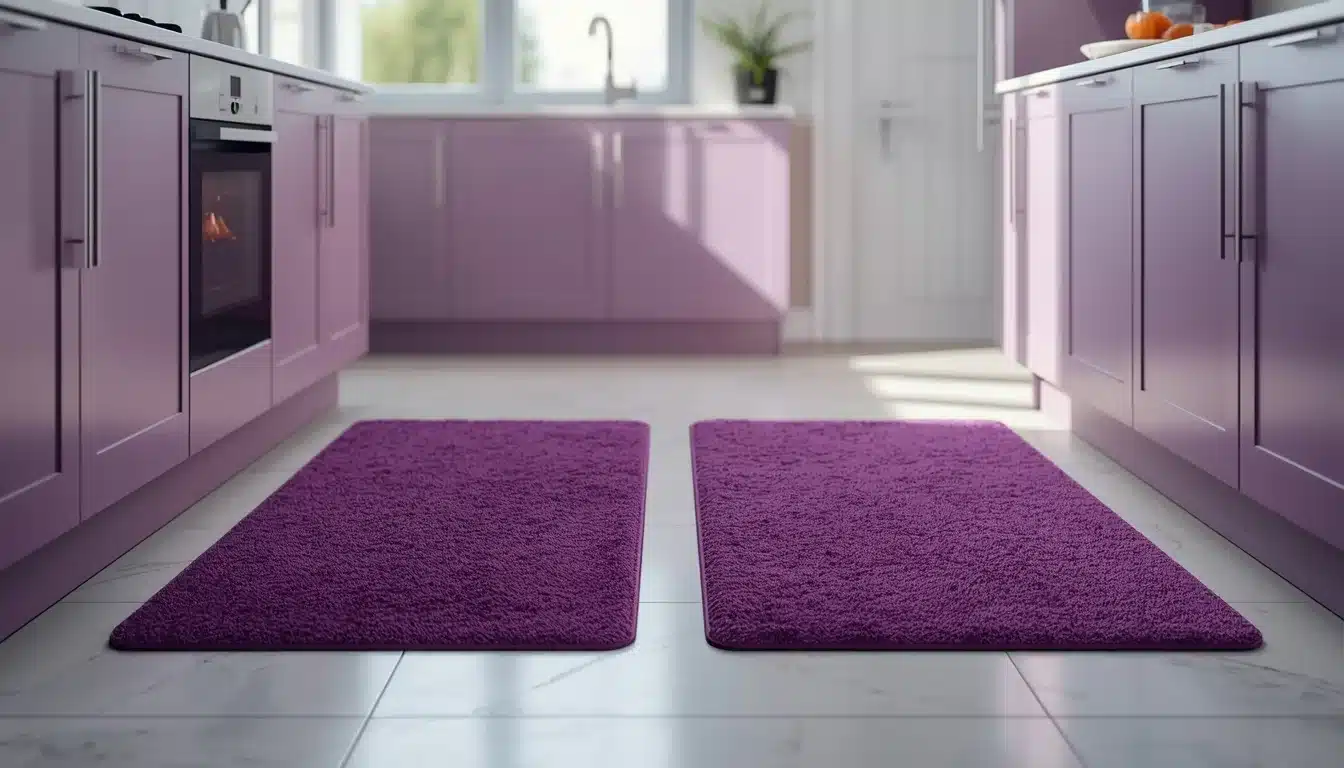
This is where the humble kitchen mat comes into play. It’s not just a functional necessity; it is a massive opportunity to inject personality into your space. If you have been looking for a way to add a touch of warmth and creativity to your culinary workspace, exploring purple kitchen mat ideas might be the design breakthrough you need.
Purple is a fascinating color choice for a kitchen. It sits uniquely between the calm stability of blue and the fierce energy of red. Whether you are aiming for a soft, calming lavender vibe or a regal, deep eggplant aesthetic, a purple mat can serve as a grounding accent that ties the room together while treating your feet to some much-needed relief.
Why Purple Kitchen Mats Are a Smart Choice
When we think of standard kitchen colors, our minds often drift to safe neutrals: whites, greys, beiges, or perhaps the occasional navy blue. Choosing purple is a statement that says you value creativity and mood.
Comfort for Standing Tasks
The primary reason to introduce a mat into your kitchen is, of course, physical relief. Hard surfaces like tile, hardwood, or laminate can take a toll on your back, knees, and feet after a long Sunday meal prep session. A mat provides that essential barrier between you and the rigid floor. When you choose a color like purple, you are creating a visual “zone” that invites you to step closer and get to work comfortably.
Visual Balance and Warmth
Kitchens are often full of hard lines and cold surfaces—stainless steel appliances, stone countertops, and sleek cabinets. They need softness to feel livable. A purple floor mat introduces a visual softness that counteracts those hard materials. Since purple is a secondary color, it complements a wide variety of kitchen finishes, from cool marble to warm wood grains.
An Easy, Low-Commitment Upgrade
Renovating a kitchen is expensive and time-consuming. Painting cabinets or changing a backsplash requires serious commitment. Swapping out a floor mat, however, is one of the easiest ways to refresh your room. It allows you to experiment with color trends without worrying about permanence. If you want to try a purple themed kitchen look, starting with the floor is a safe and stylish bet.
Types of Purple Kitchen Mats
When browsing for ideas, it is helpful to understand the materials and construction, as different mats serve different purposes in a busy home. It isn’t just about the color; it is about how the mat functions under your feet.
Cushioned Mats
These are the standard for comfort. Usually made from foam or rubber, they offer a bit of “give” when you step on them. A purple cushioned mat works wonders in areas where you stand still for long periods. They tend to be water-resistant, making them practical for the splash zone near the sink. Visually, they often have a smooth, modern appearance that lets the color—whether it’s a lilac or a violet—truly pop.
Anti-Fatigue Mats
While similar to standard cushioned mats, true anti-fatigue mats are engineered specifically to reduce stress on the body. They often feature ergonomic designs, beveled edges to prevent tripping, and a denser core structure. In a purple hue, an anti-fatigue mat combines high-level functionality with high-level style. These are often thicker, so they make a substantial visual statement on the floor.
Textured or Woven Mats
If you are less concerned with deep cushioning and more interested in texture and washability, woven cotton or synthetic fiber rugs are beautiful options. A flat-weave purple rug can add a farmhouse or bohemian touch to the kitchen. These often feature patterns—like stripes or geometric shapes—mixing purple with white or cream. They are excellent for adding traction and are usually easier to toss in the washing machine if a spill occurs.
Placement Ideas for Purple Kitchen Mats
Where you place your mat is just as important as the style you choose. The goal is to create a flow of movement while ensuring comfort exactly where you need it most.
The Sink Area
This is the most classic location for a kitchen mat. It is the wettest zone in the kitchen and the place where we tend to stand the longest. A small, rectangular purple mat here anchors the sink cabinet. If you have a farmhouse sink or a window above the sink, the purple color draws the eye downward, grounding the space.
The Stove or Cooking Zone
Think about the time spent stirring risottos or flipping pancakes. A runner-style mat placed in front of the stove and oven range can protect your floors from grease splatters while providing cushion. A long, purple runner here looks incredibly elegant, especially if your oven is stainless steel or black. The contrast is striking and sophisticated.
Prep Stations and Islands
If you are lucky enough to have a kitchen island, the floor space around it is prime real estate for a mat. This is often where the chopping and mixing happens. Placing a mat on the “working side” of the island defines that space as the chef’s zone. If you have a galley kitchen, a long purple runner down the center can make the room feel longer and more cohesive, leading the eye through the space.
Choosing the Right Shade of Purple
“Purple” is a broad term. The specific shade you choose will dictate the entire mood of your kitchen. It is important to look at your existing lighting and cabinet colors before deciding.
Light Purple for Bright Kitchens
If your kitchen has white cabinets, light quartz countertops, or plenty of natural sunlight, consider lighter shades like lavender, lilac, or thistle. These colors feel airy, fresh, and spring-like. A soft lavender mat in a white kitchen creates a serene, almost spa-like atmosphere. It’s subtle enough not to overwhelm the space but colorful enough to banish blandness.
Deep Purple for Neutral or White Kitchens
For a more dramatic or moody look, deep shades like eggplant, plum, or royal purple are fantastic choices. These colors work exceptionally well in kitchens with grey cabinetry, dark wood floors, or industrial concrete elements. A deep purple mat hides stains and crumbs much better than lighter colors, which is a practical bonus. It adds a layer of richness and luxury that elevates the room immediately.
Mixing Purple Kitchen Mats With Other Decor
A purple mat shouldn’t live on an island of its own; it needs friends in the room to make the design feel intentional. However, you want to avoid overdoing it. The key is subtlety and distribution.
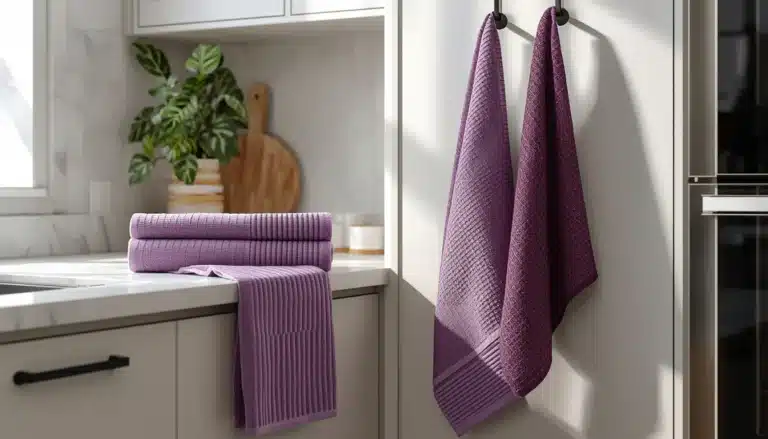
Purple Kitchen Towels
One of the easiest ways to tie the floor to the rest of the room is through textiles. draping a tea towel in a similar shade of purple over the oven handle or the sink edge helps carry the eye upward. It creates a vertical relationship with the mat on the floor.
Cabinets, Countertops, and Flooring
Look at the undertones of your permanent fixtures. If your wood floors have warm, orange undertones (like oak), a cooler blue-purple mat will create a pleasing contrast. If your floors are cool grey tile, a warmer, reddish-purple (like magenta or plum) will add necessary heat to the palette.
When you start exploring purple kitchen decor ideas, you realize that you don’t need to paint the walls to make an impact. Sometimes, just coordinating the floor mat with a fruit bowl filled with plums or red onions on the counter is enough to create a cohesive theme.
Common Mistakes to Avoid
While adding a purple mat is a relatively safe design risk, there are a few practical and aesthetic pitfalls to watch out for.
Oversized or Undersized Mats
Scale is everything. A tiny 18×24 mat in front of a massive double-basin farmhouse sink will look lost and cluttered. Conversely, a mat that is too large for a narrow walkway can curl up the walls or cabinetry, looking messy. Always measure your clear floor space—leaving a few inches of visible floor around the edges of the mat breathes air into the design.
Too Many Mats
It can be tempting to put a mat in front of every station—the fridge, the stove, the sink, the dishwasher. However, this often results in a “patchwork” look that makes the floor feel cluttered and smaller. Usually, one large runner or two strategically placed smaller mats are sufficient.
Ignoring Slip Resistance
Kitchens are high-traffic zones prone to spills. A beautiful woven purple rug is lovely, but if it lacks a non-slip backing, it becomes a sled the moment you step on it quickly. Ensure that whatever idea you choose prioritizes grip on the floor side, or purchase a separate rug pad to keep it safe and secure.
Soft Product Examples
To help you visualize what to look for, here are a couple of concepts that blend style and utility perfectly.
Imagine a deep, eggplant-colored purple anti-fatigue kitchen mat with a subtle beveled edge. This type of mat usually features a solid, unpatterned surface which allows the richness of the color to stand out against white or light wood cabinetry. It’s the kind of piece that feels modern and sleek, perfect for a contemporary home.
Alternatively, envision a woven, bohemian-style runner featuring a mix of cream and lavender threads. This soft product example works beautifully in a cottage-style or rustic kitchen. It offers less “squish” than foam but adds tremendous texture and warmth, bringing that cozy, lived-in feeling to the heart of your home.
Final Thoughts
Styling your kitchen should be a fun process, not a stressful one. Choosing to incorporate purple into your floor space is a wonderful way to merge functionality with your unique sense of style. Whether you opt for a plush, memory-foam surface to support your back or a charming woven rug to add texture, the goal is to make your kitchen a place where you enjoy spending time.
Start small. Small touches, like purple kitchen accessories, help tie the look together without requiring a full renovation. A mat is the perfect entry point. It is easy to move, easy to clean, and capable of completely changing the character of the room. Prioritize your comfort, measure your space carefully, and don’t be afraid to embrace the color. Your feet—and your eyes—will thank you for it.
Frequently Asked Questions About Purple Kitchen Mats
Are purple kitchen mats suitable for everyday use?
Yes, purple kitchen mats are designed for daily use just like neutral-colored mats. As long as the material is durable and easy to clean, the color choice does not affect functionality.
Do purple kitchen mats show dirt more easily?
Darker shades of purple, such as plum or eggplant, actually hide crumbs and stains better than lighter colors. Lighter lavender tones may require more frequent cleaning but still remain practical with regular care.
Can a purple kitchen mat work in a neutral kitchen?
Absolutely. In white, gray, or beige kitchens, a purple mat acts as an accent that adds warmth and personality without overpowering the space.
What size kitchen mat works best near the sink?
The ideal size depends on your sink cabinet width. A mat that covers most of the standing area while leaving a few inches of floor visible around the edges usually looks the most balanced.
Are anti-fatigue purple kitchen mats worth it?
For people who spend long periods standing while cooking or washing dishes, anti-fatigue mats can make a noticeable difference in comfort. They reduce pressure on the feet and lower back over time.
How do I keep a purple kitchen mat from slipping?
Choosing a mat with a non-slip backing is the safest option. If the mat does not have one, adding a thin rug pad underneath helps keep it secure.
Can purple kitchen mats be used as part of seasonal decor?
Yes, purple mats are surprisingly versatile. Lighter shades work well in spring and summer, while deeper tones feel cozy and rich during fall and winter.

Muhammad Shahzad is a home décor and lifestyle content specialist who focuses on color-themed product research and buyer-focused reviews. He creates user-first content by analyzing product quality, real-world usability, design appeal, and value for money—helping readers make confident purchase decisions. His work emphasizes clear comparisons, practical guidance, and honest recommendations tailored for U.S. online shoppers.