
Table of Contents
In my ten years styling everything from editorial shoots to executive wardrobes, I have found that purple is the most underutilized color in footwear. Many women shy away from it, fearing it is too difficult to match or too bold for daily wear. However, the right pair of purple heels for women serves as a sophisticated neutral that elevates an outfit far more effectively than standard beige or black.
Purple sits at a unique intersection of warm and cool tones. It offers the depth of navy and the warmth of burgundy, making it universally flattering across skin tones and fabric palettes. Whether you are looking to break up a monochrome work suit or add interest to evening wear, purple footwear provides a deliberate, polished focal point.
The secret lies in treating purple not as a “pop of color” but as an anchor. When chosen correctly, these heels bridge the gap between casual denim and formal silk with surprising ease. This guide breaks down exactly how to select, style, and wear purple heels with the confidence of an industry insider.
Different Types of Purple Heels for Women
Understanding the silhouette is just as important as choosing the color. The architecture of the shoe dictates the formality and functionality of the look. Here is how I categorize specific styles for my clients.
Lavender Kitten Heels
The kitten heel has returned as a staple because it offers elevation without compromising mobility. A lavender variation is particularly effective for spring and summer events where heavy footwear feels out of place. This silhouette works best with midi-length skirts or cropped trousers that allow the delicate heel to be seen.
I often recommend this style for outdoor weddings or garden parties. The lower center of gravity makes them manageable on uneven surfaces while maintaining a formal aesthetic. Visually, the lighter shade of lavender extends the leg line, especially when paired with lighter hemlines.
Plum Block Heels
If you require stability for an eight-hour day, purple block heels are your strongest option. A deep plum shade in a suede or matte leather finish reads as professional and grounded. The substantial heel distributes weight specifically across the heel bone, reducing the pressure on the ball of the foot.
These are ideal for transitional weather in autumn or winter. They pair effortlessly with opaque tights and heavier wool fabrics. I style these frequently for clients who work in creative corporate environments and need to move quickly between meetings.
Purple Stiletto Heels
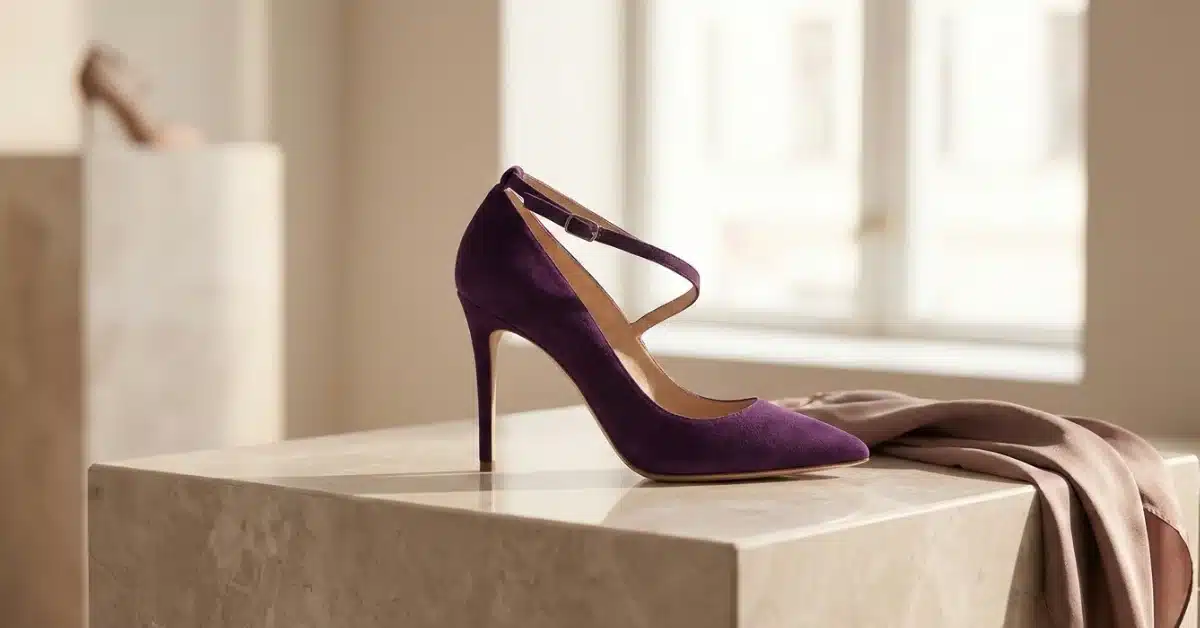
The stiletto is a tool of elongation and posture correction. Purple high heels for women in a sharp stiletto silhouette create a powerful vertical line that commands attention. This is the shoe for dinner dates, gallery openings, or cocktail hours where sitting is an option.
Because the heel provides less surface area, the visual impact is sharper and more aggressive. I suggest reserving this style for polished concrete or indoor flooring. They look exceptional when the rest of the outfit is streamlined and minimal.
Platform Purple Heels
Platforms are not just a retro aesthetic; they are a comfort hack. By adding height to the toe box, you reduce the actual pitch (the angle) of the foot. A purple platform in velvet or patent leather acts as a statement piece that nods to 70s glamour without feeling costume-like.
These suit wide-leg trousers or floor-length gowns where you need significant height to prevent dragging hems. The added bulk of the shoe balances out voluminous fabrics. They are excellent for events involving dancing, as the platform absorbs shock better than a single sole.
Dark Purple Evening Heels
For black-tie events, dark purple heels for formal events are a sophisticated alternative to metallic or black shoes. Deep eggplant or ultraviolet satin reflects light beautifully in dim settings. These shoes often feature embellishments or intricate strap work that mimics jewelry.
I style these primarily with evening gowns in jewel tones or stark black velvet. They provide a richness that flat black shoes simply cannot achieve. The key here is material; satin, silk, or high-shine patent leather ensures the color reads as formal rather than casual.
How to Style Purple Heels
The most common question I receive in consultations is simply how to style purple heels without looking chaotic. The goal is coordination, not matching. Here are the specific formulas I use when building outfits.
With Black Dresses
The “Little Black Dress” is a canvas, but pairing it with black shoes can feel safe and expected. Swapping in purple heels adds depth and intentionality to the look. The contrast between the severe black and the rich purple creates visual friction that looks expensive.
Texture is critical here to avoid a flat appearance. If the dress is matte cotton or wool, opt for a patent or satin purple heel to catch the light. Conversely, if the dress is sequined or silk, a suede purple shoe softens the overall effect.
With White or Cream Outfits
This is one of the freshest combinations for warmer months. A monochromatic white or cream ensemble—such as a linen suit or a silk slip dress—looks incredibly chic with lavender or lilac heels. The purple acts as a soft punctuation mark that doesn’t jar the eye like black or red would.
Keep the accessories in the same tonal family. Silver jewelry tends to pair better with this combination than yellow gold, as it highlights the cool undertones of the purple. This pairing is a go-to for bridal showers or high-end brunches.
With Denim
High-low styling is essential for modern wardrobes. Pairing vintage-wash blue jeans with refined plum heels women creates an immediate sense of style savvy. The indigo dye in denim is essentially a blue-purple, making this a monochromatic pairing on the color wheel.
For a casual lunch, wear straight-leg jeans, a crisp white button-down, and purple block heels. For a night out, swap the shirt for a black silk camisole and switch to purple stilettos. The denim grounds the shoe, preventing it from looking too “evening” for a casual setting.
With Office Wear
Integrating color into corporate wear requires restraint. Purple heels for women work exceptionally well with charcoal grey, navy, and camel suits. A deep aubergine heel is subtle enough to pass as a neutral in conservative offices but interesting enough to show personality.
Avoid pairing purple shoes with bright primary colors like fire engine red or sunny yellow in a boardroom setting, as this can read too playful. Instead, let the shoes be the darkest point of the outfit, grounding a lighter grey suit.
With Formal Gowns
When styling for galas or weddings, I look for complementary or analogous colors. Purple heels look stunning with emerald green (complementary contrast) or metallic gold gowns. If the dress is purple, do not try to match the shoe shade exactly; it will never work.
Instead, go two shades darker or lighter. A lavender dress with deep violet heels looks intentional and curated. A dark plum dress with metallic lilac shoes adds dimension. This tonal layering photographs much better than a mismatched attempt at uniformity.
Choosing the Right Shade for the Occasion
Not all purples communicate the same message. The psychology of the shade changes the vibe of your outfit entirely.
Lavender and Lilac
These pale, white-based tints suggest softness, femininity, and approachability. Lavender heels outfit ideas usually revolve around daytime events, spring gatherings, and relaxed environments. They can stain easily, so I advise clients to avoid wearing suede versions of these shades in city environments.
Violet and Bright Purple
These are high-energy, synthetic-looking shades. They command attention and suggest creativity and confidence. I use these for fashion-forward events, gallery openings, or parties. They are less versatile than other shades but arguably the most fun.
Plum and Eggplant
These shades contain more black or brown, making them grounded and serious. They are the winter equivalents of navy blue. I recommend these for professional settings, serious interviews, or somber evening events. They are the most versatile entry point for women new to colorful footwear.
Identifying Undertones
To ensure the shoe flatters your skin, look at the base of the purple. If it leans blue (like indigo), it will pop against cool-toned skin. If it leans red (like magenta or wine), it will harmonize beautifully with warm or olive skin tones.
Heel Height & Comfort Guide
A beautiful shoe that you cannot walk in is a useless object. As a stylist, I prioritize mechanics over aesthetics because confidence comes from stability.
Stiletto vs. Block Heel Stability
The stiletto concentrates your entire body weight onto a point roughly the size of a dime. This requires significant calf strength and balance. If the event involves grass, cobblestones, or standing for more than two hours, I always steer clients toward purple block heels. The wider surface area stabilizes the ankle and prevents the “wobble” that ruins the line of an outfit.
Ideal Heel Height
For most women, the biomechanical “sweet spot” is between 2.5 and 3 inches. This height elongates the calf muscle without forcing the foot into an extreme arch that strains the plantar fascia. Anything over 4 inches changes the pelvic tilt and should be reserved for sedentary events or worn for limited durations.
Ankle Straps and Arch Support
If you have narrow heels, a purple pump will likely slip off as you walk. An ankle strap is non-negotiable here; it mechanically secures the shoe to the foot, allowing you to relax your toes rather than gripping the sole.
Look for heels with a steel shank—the metal spine inside the sole. You can test this by trying to bend the shoe in half. If it bends easily in the middle, it lacks support. A rigid mid-sole prevents arch fatigue, which is crucial for high-heel endurance.
Product Inspiration
When building a wardrobe, I look for specific textures and shapes that maximize versatility.
For a shoe that transitions seamlessly from office to dinner, a suede plum block heel is an investment that pays off in cost-per-wear. The suede texture absorbs light, making the color appear richer and more luxurious than standard leather.
If you need a shoe specifically for evening events, a dark purple pointed stiletto in satin or patent leather acts as a sharp, modern punctuation mark for floor-length gowns or tailored tuxedo trousers.
For weekends and casual styling, a minimal lavender kitten heel offers a nod to current trends while remaining comfortable enough for brunch or shopping trips.
Common Styling Mistakes to Avoid
Even with the best intentions, styling purple footwear can go wrong. Here are the errors I frequently correct during wardrobe edits.
Over-Matching Accessories
The “Barney” effect happens when a client matches their purple shoes to a purple bag, purple earrings, and a purple belt. This looks dated. Pick one accessory to match, or let the shoes stand alone. If you wear purple shoes, carry a metallic, black, or nude bag.
Ignoring Fabric Seasonality
Velvet purple heels look heavy and out of place in July. Linen or canvas purple shoes look flimsy in December. Match the weight of the shoe material to the weight of your clothing. Heavy wools need leather or suede; light silks need satin or fine leather.
Neon in Formal Settings
Unless it is a specific fashion gala, avoid neon or electric purple heels in conservative formal settings. They can read as “club wear” and detract from the elegance of a gown. Stick to jewel tones like amethyst or royal purple for these occasions.
Compromising Fit for Color
Never buy a purple shoe just because it is the right shade if the fit is poor. Blisters and an awkward gait are more noticeable than the perfect color match. If you are between sizes, always size up and use a silicone insert; you cannot stretch a shoe that is too short.
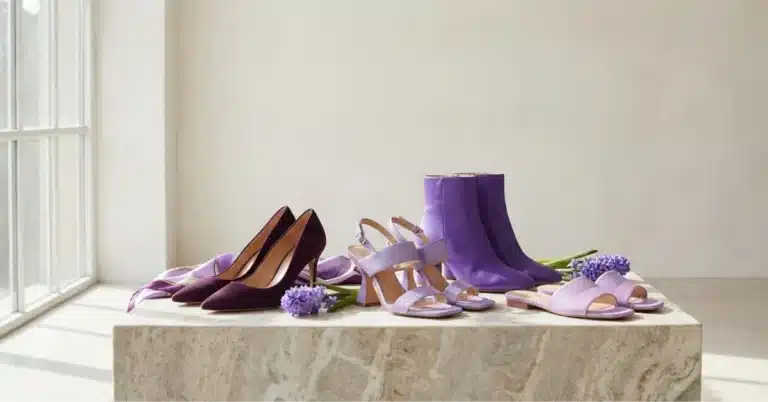
Once you have mastered the art of the heel, you can expand your colorful footwear rotation. For summer alternatives, explore our comprehensive guide to Purple Shoes & Sandals, which covers flat options for resort wear.
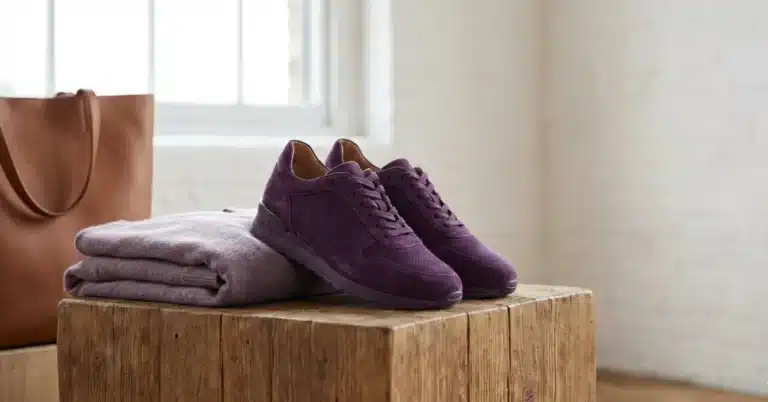
If comfort is your absolute priority for travel or weekends, our breakdown of Purple Sneakers for Women analyzes the best arch support in athletic styles. Stay tuned for our upcoming deep dive into Purple Sandals, specifically focusing on gladiator and slide styles for the coming season.
Frequently Asked Questions About Purple Heels for Women
Are purple heels hard to style?
No. Purple heels for women pair well with neutral outfits like black, white, grey, navy, and denim. The key is letting the heels act as the focal point rather than matching every accessory.
What colors go best with purple heels?
Purple works beautifully with black, cream, charcoal, olive green, emerald, and navy. For formal occasions, jewel tones such as deep green or gold create elegant contrast.
Can I wear purple heels to work?
Yes, especially darker shades like plum or aubergine. When paired with tailored trousers or a structured suit, they add personality while remaining professional.
Are purple heels suitable for weddings?
Absolutely. Lavender and lilac heels work well for daytime weddings, while deep violet or eggplant shades are ideal for evening events.
What heel height is most comfortable for long events?
For most women, a heel height between 2.5 and 3 inches offers the best balance between elegance and comfort. Block heels are usually more stable than stilettos for extended wear.
Do purple heels go with black dresses?
Yes. Purple adds depth and contrast to black without overpowering it. A satin or patent purple heel can make a simple black dress look more intentional.
How do I avoid overmatching purple accessories?
Choose only one additional purple accent, such as a subtle ring or scarf. Keep your bag neutral to avoid an overly coordinated look.
Are purple block heels more practical than stilettos?
Block heels distribute weight more evenly and offer better balance. They are ideal for workdays, outdoor events, and occasions that involve extended standing.

Muhammad Shahzad is a home décor and lifestyle content specialist who focuses on color-themed product research and buyer-focused reviews. He creates user-first content by analyzing product quality, real-world usability, design appeal, and value for money—helping readers make confident purchase decisions. His work emphasizes clear comparisons, practical guidance, and honest recommendations tailored for U.S. online shoppers.

One Comment
Comments are closed.